
Interior · ADU Conversion
Mosaic Arts Loft
An attached garage and unfinished bonus space reframed into a permitted, code-compliant detached-use ADU with a working artist's studio above.
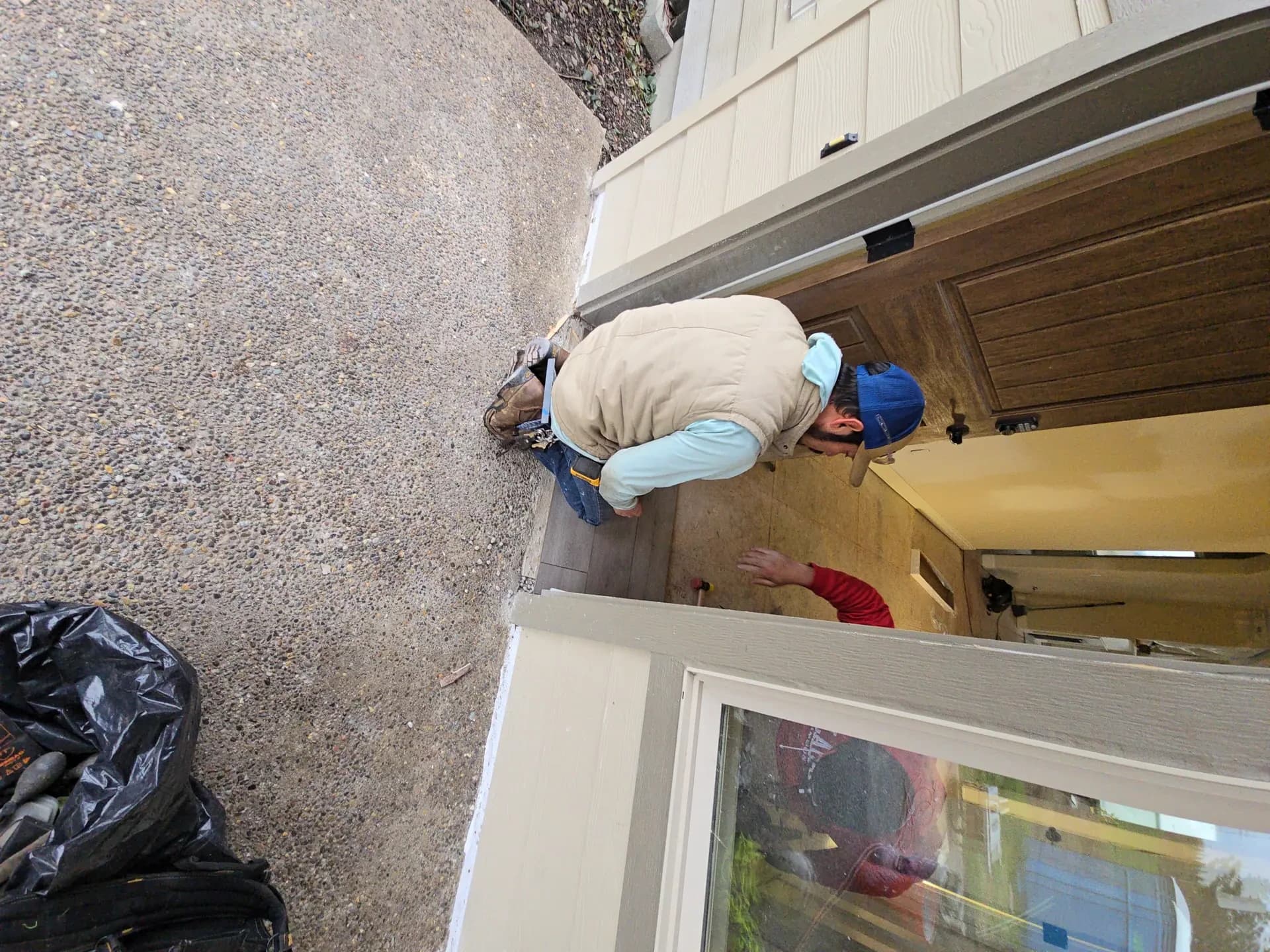
- Location
- Beaverton, OR
- Size
- 812 sq ft conversion + 410 sq ft studio loft
- Project type
- Interior remodel + accessory dwelling unit (ADU)
- Duration
- 16 weeks on site (4 weeks design + permit)
- Completed
- 2025
- Credentialed scope
- Architectural redesign, structural reframe, MEP, finish carpentry, exterior siding patch, final landscape grade
The challenge
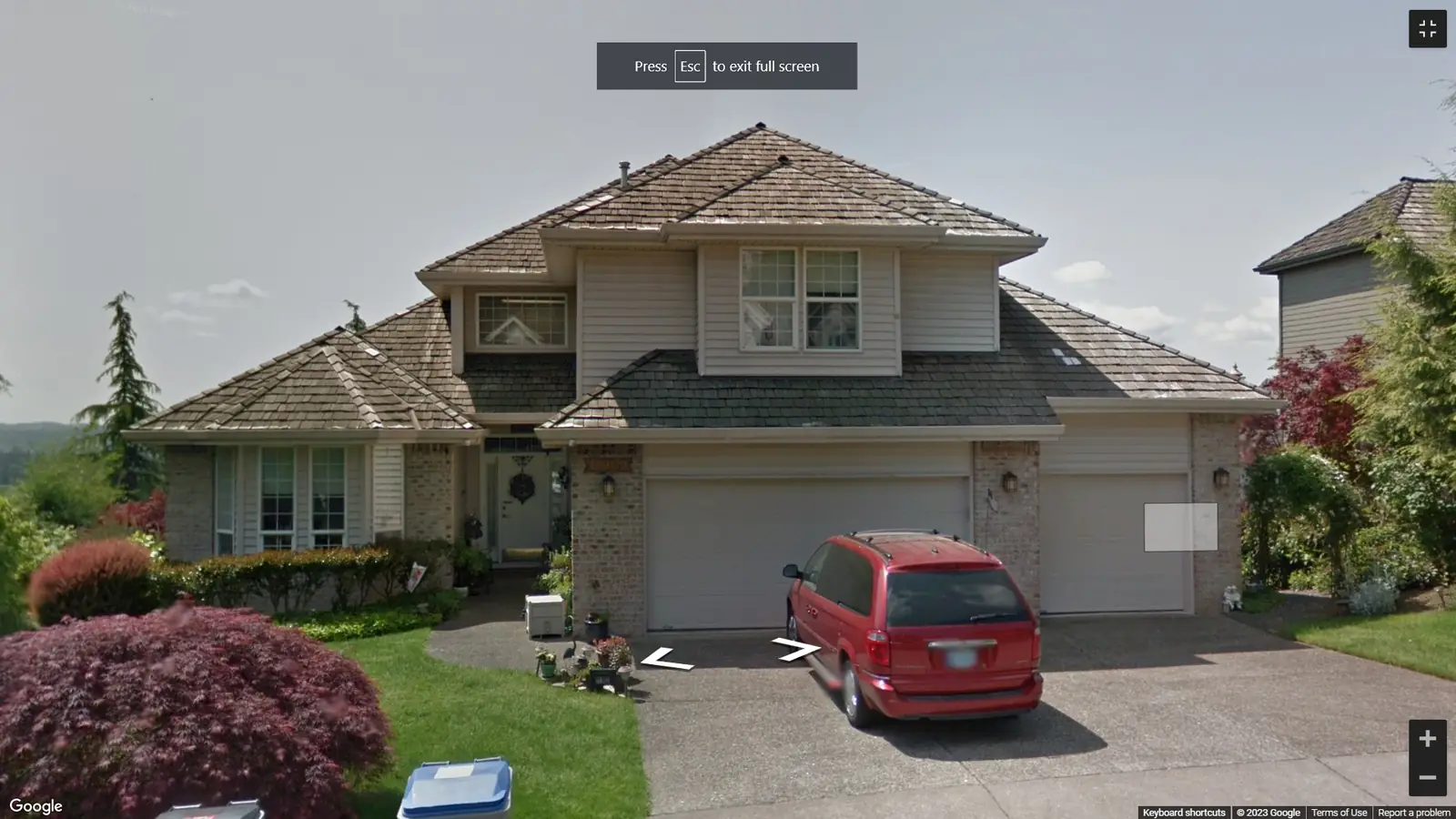
The owners came to us with a 1980s split-level whose attached garage had been quietly absorbing chaos for fifteen years — bicycles, half-finished canvases, a kiln, a treadmill nobody used. Upstairs, an unfinished bonus room over the garage sat at the wrong floor height to fold into the main house and the wrong ceiling pitch to be a comfortable bedroom. They wanted two things: a real studio for the working artist in the family, and a permitted ADU they could either rent or hand to an aging parent within five years.
What they did not want was a contractor who would treat it as two separate projects. The garage conversion and the studio overhead shared a foundation, a roof, an electrical service, and a code envelope. A previous designer had quoted them as two sequential builds with a full demobilization between phases. We saw one envelope, one permit set, one continuous schedule.
The constraint that made it interesting: Beaverton's ADU rules had been rewritten in 2024, and the path forward depended on whether we treated the conversion as an attached or internal ADU. The classification changed everything downstream — fire separation, egress, parking, even the meter configuration. The owners had been told by two other contractors that the project was unbuildable under the new code. It was not unbuildable. It was unbuildable the way they had been thinking about it.
“The decision that unlocked the project was to classify the lower level as an internal ADU. That single line on the permit set turned an unbuildable project into a sixteen-week schedule.”
Our approach
Our architect (on payroll, not subbed) walked the site three times before drawing a line. The decision that unlocked the project was to classify the lower level as an internal ADU with a one-hour fire-rated assembly between dwelling units and to reframe the upper bonus room as accessory living area to the primary residence — a working artist's studio with a half bath, not a second bedroom. That separation moved the project from a fire-sprinklered detached-use classification (which would have required a new service tap and a six-figure water line upgrade) into a path the existing infrastructure could carry.
Structurally, the bonus-room floor over the garage was undersized for residential live load once we proposed the studio use. We added a flush LVL beam down the centerline, sistered the existing 2x10 joists with engineered I-joists, and re-laid a 3/4 inch advanced subfloor glued and screwed. The added stiffness changed the floor feel as much as the engineering math — the bounce that the owners had lived with for years was gone the day the subfloor went down.
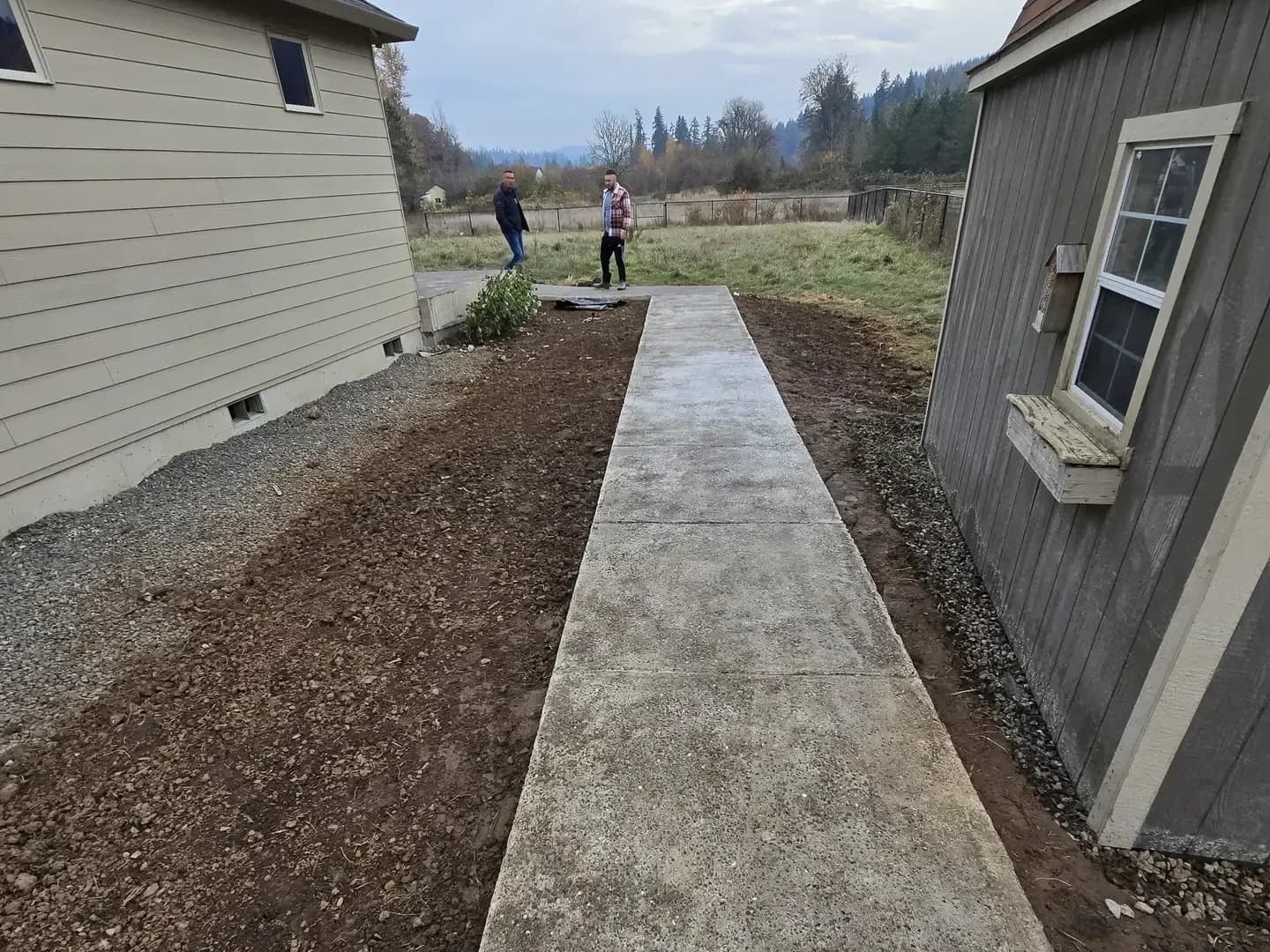
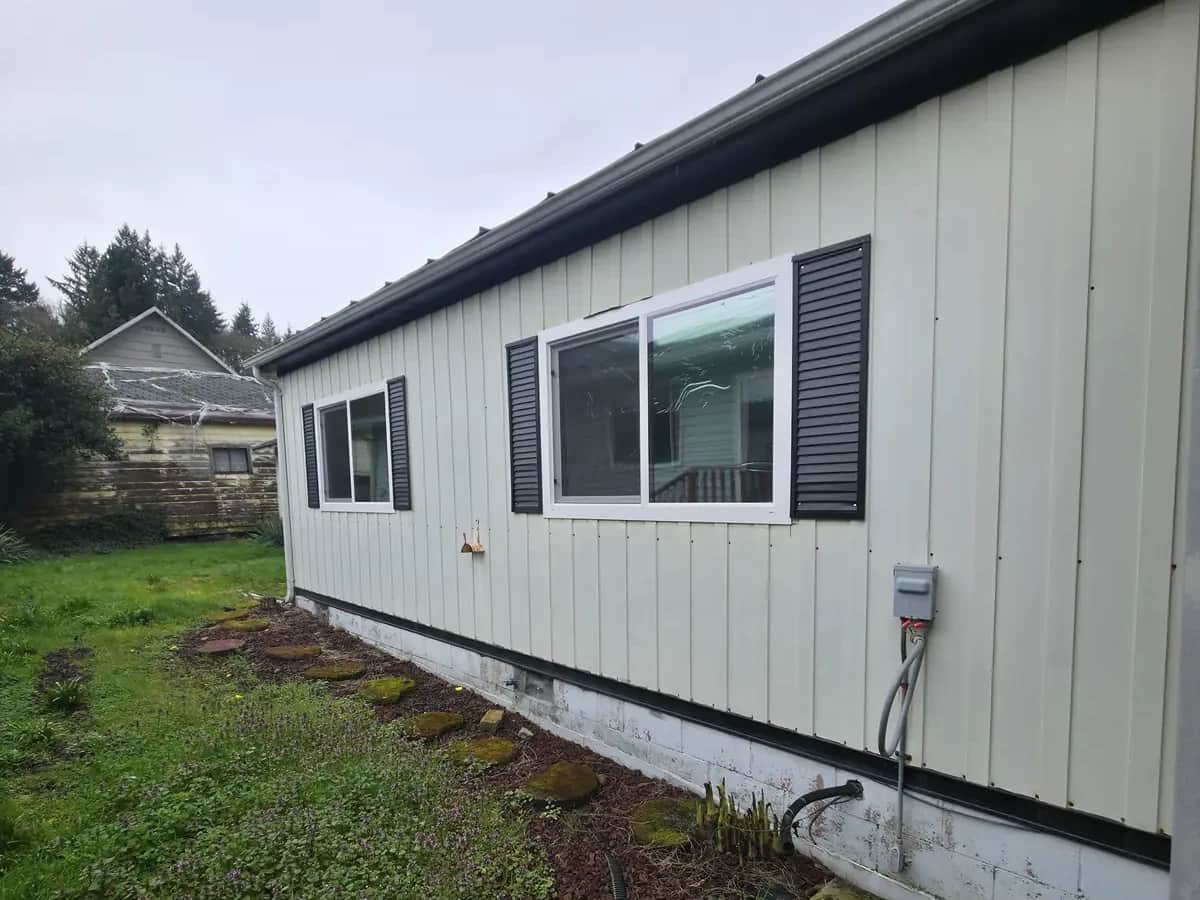
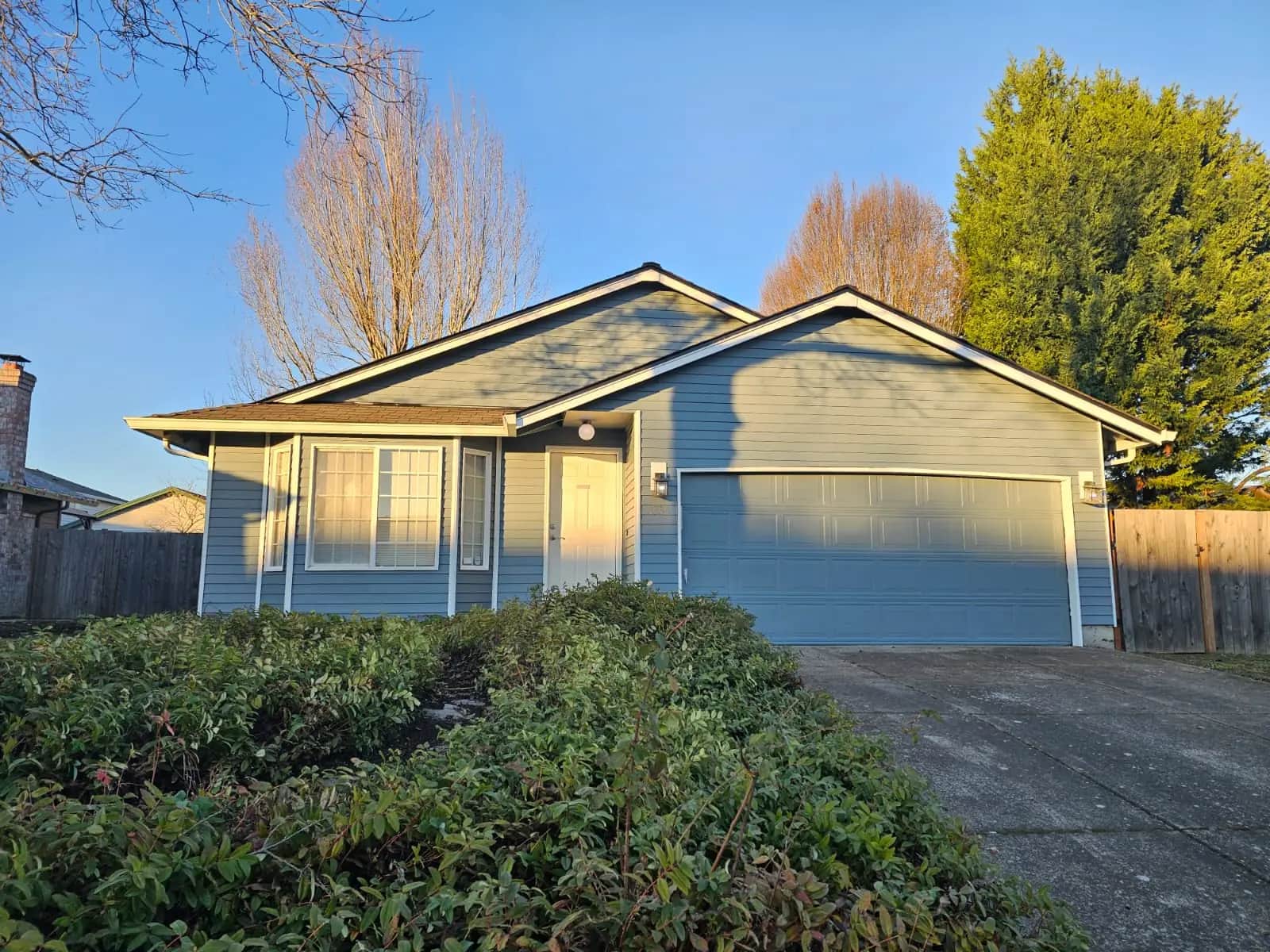
On the ADU side, we pulled the garage door, framed a code-compliant exterior wall with a recessed entry, and matched the existing Hardie lap siding profile and exposure so the new wall reads as part of the original elevation rather than a patch. Interior finishes leaned warm and durable: quarter-sawn white oak flooring, plaster-finish drywall with rounded corner beads at the entry, and a small but properly proportioned kitchen with a 30 inch induction range and a vented hood routed through the rim joist (not a recirculator). The bath is fully accessible — 36 inch zero-threshold shower, blocking in the walls for future grab bars, lever hardware.
Upstairs in the studio, the goal was light and air. We added a roof-mounted skylight pair on the north pitch (north light is what painters and printmakers ask for), routed a dedicated 20-amp circuit for the kiln on its own breaker, and pulled a high-CFM exhaust through a roof jack with a back-draft damper. The plaster wall behind the easel is a single sheet of 5/8 inch Type X drywall finished smooth, primed in a flat archival white. No texture, because texture catches paint.
Materials & specs
What we put on this house
James Hardie HZ10 lap siding
ColorPlus Cobble Stone, 6.25 inch exposure, matched to original 1980s profile
ColorPlus runs allow us to patch into an existing elevation without the field-paint color drift you get with a primed product.
CertainTeed Landmark Pro architectural shingle
Weathered Wood, installed over CertainTeed RoofRunner synthetic underlayment, ice-and-water shield at all valleys and penetrations
Matches the existing field; the studio addition disappears from the street.
Engineered LVL flush beam
1 3/4 inch x 11 7/8 inch, two-ply, stamped by our partner PE
Carries the centerline load on the upper floor without dropping a beam below the ceiling line.
Advanced subfloor
3/4 inch tongue-and-groove, glued and screwed at 6 inch perimeter / 12 inch field
Eliminates the bounce the family had lived with for a decade.
Quarter-sawn white oak flooring
5 inch plank, site-finished with two coats of penetrating hardwax oil
Refinishable, low-VOC, takes a paint splatter the way a working studio floor needs to.
Velux fixed deck-mounted skylights
Pair on the north roof pitch, low-E argon laminated glass
North light is what working artists request. Laminated glass for code compliance over a habitable space.
What was tricky
The permit set went through two rounds with the city. The first cycle flagged the fire-rated assembly detail at the stair-to-garage transition; the inspector wanted a self-closing 20-minute door instead of the 90-minute door we had specified, because the 90-minute door would not legally meet the egress threshold dimension once the threshold transition was built. That sent us back to redraw the stair landing. Two weeks lost on paper. Zero days lost on site, because we had not yet broken ground on that wall.
The second complication was electrical. The existing 100-amp service was at capacity once we added the ADU kitchen, the induction range, the kiln circuit, and a heat pump split for the studio. We upgraded to a 200-amp service mast, coordinated the PGE meter swap (two-day outage window scheduled around the family's calendar), and re-grounded the system to current code. That added cost the owners had budgeted for as a possible upgrade, so it did not blow the contingency, but it added a week to the critical path and required us to stage interior finish work around the temporary panel.
The third — and most honest — was weather. We framed the studio loft addition in November, and the Pacific Northwest delivered exactly what it always delivers in November. We tarped, we re-tarped, we lost two days to wind, and we had to dry the existing roof deck with industrial blowers before we could glue down the new underlayment. We did not pretend the weather did not happen. We told the owners early, we showed them photos, and we held the completion date by working a Saturday in early December.
Schedule
Week by week
- Week 1-4 (pre-construction)Permit + design
Architect site visits, structural calc, ADU classification decision, two-cycle plan review with City of Beaverton.
- Week 1Demo + protection
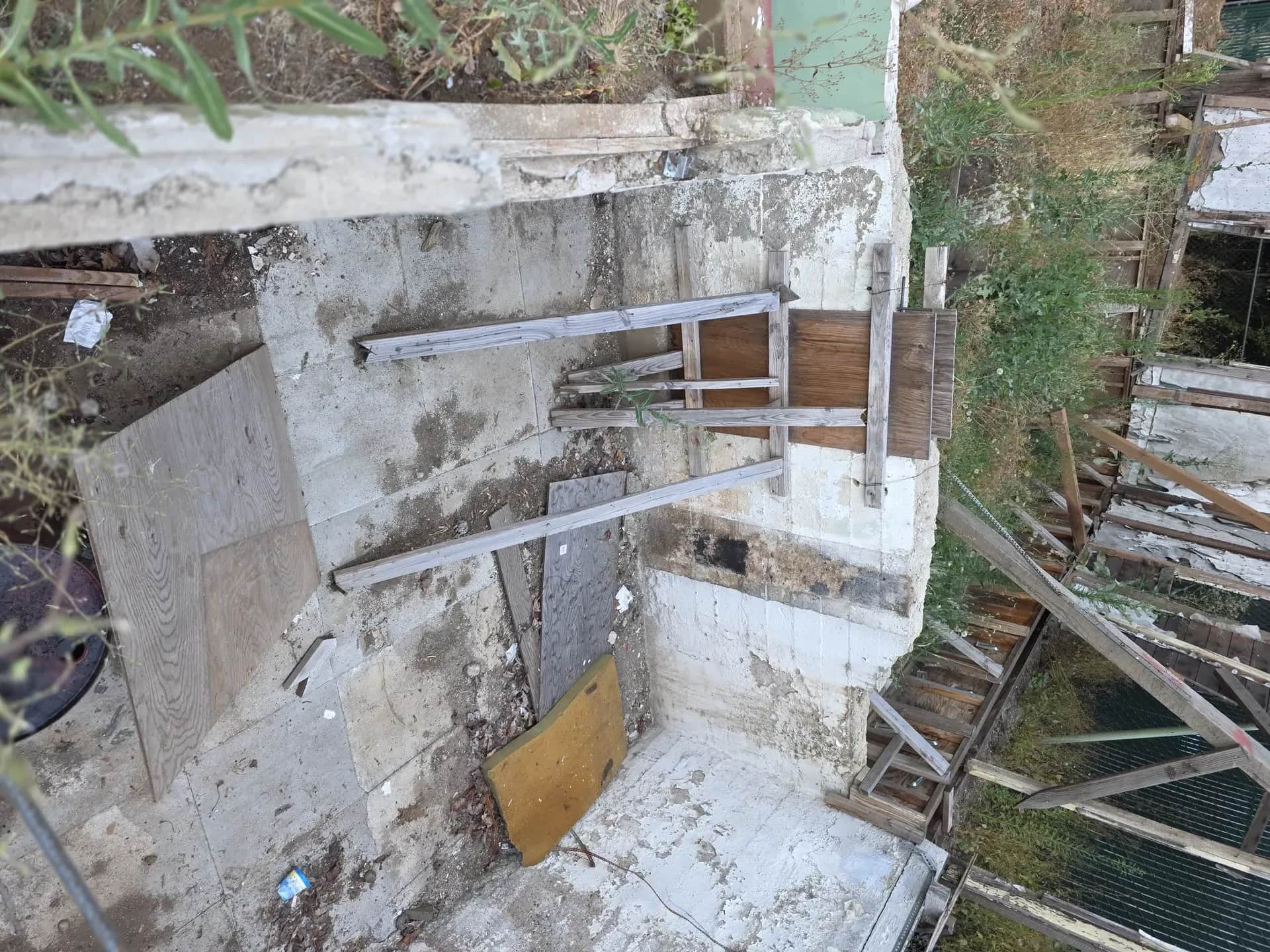
Garage door removal, interior demo of bonus room, dust-wall isolation from main house, salvage of reusable framing.
- Week 2-3Structural framing
LVL beam installation, I-joist sistering on bonus-room floor, new ADU exterior wall framing, header rough-ins at new windows.
- Week 4Roof + envelope
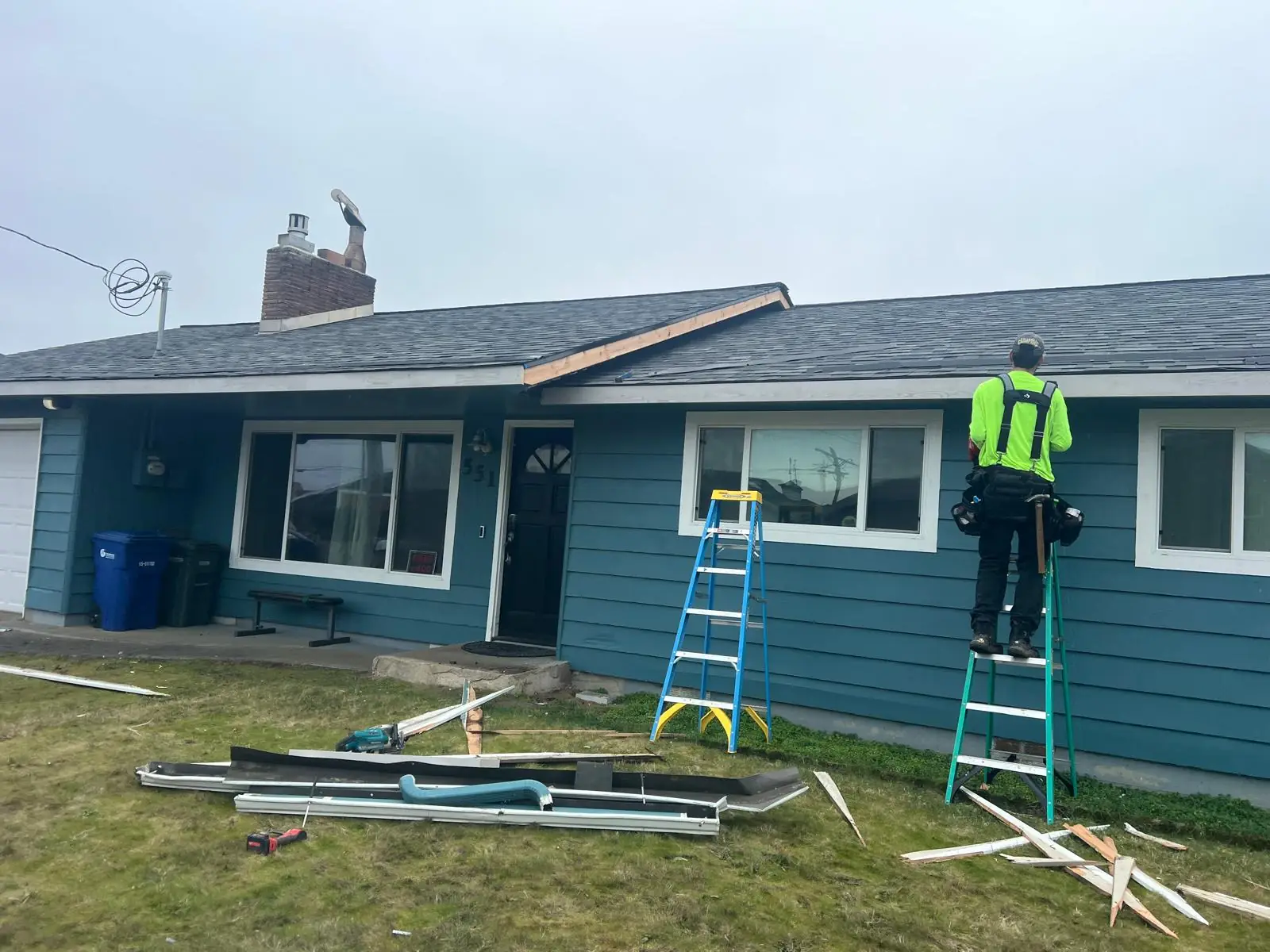
Roof patch over new framing, CertainTeed underlayment + shingle tie-in, Hardie siding patch and color-match install.
- Week 5-6MEP rough-in
200-amp service upgrade, kiln circuit, kitchen rough-in, induction range and heat pump split lines, plumbing rough for ADU bath.
- Week 7Inspections
Framing, electrical, plumbing rough inspections — all passed first walk.
- Week 8-9Insulation + drywall
Closed-cell foam at rim, dense-pack cellulose in studio walls, one-hour fire-rated assembly between units, smooth-finish drywall.
- Week 10-12Finish carpentry
White oak flooring install and finish, cabinets and counters, interior doors and trim, studio skylight wells.
- Week 13-14Tile + paint
ADU bath tile and zero-threshold shower, archival flat paint in studio, full-house paint touchups.
- Week 15Punch + final
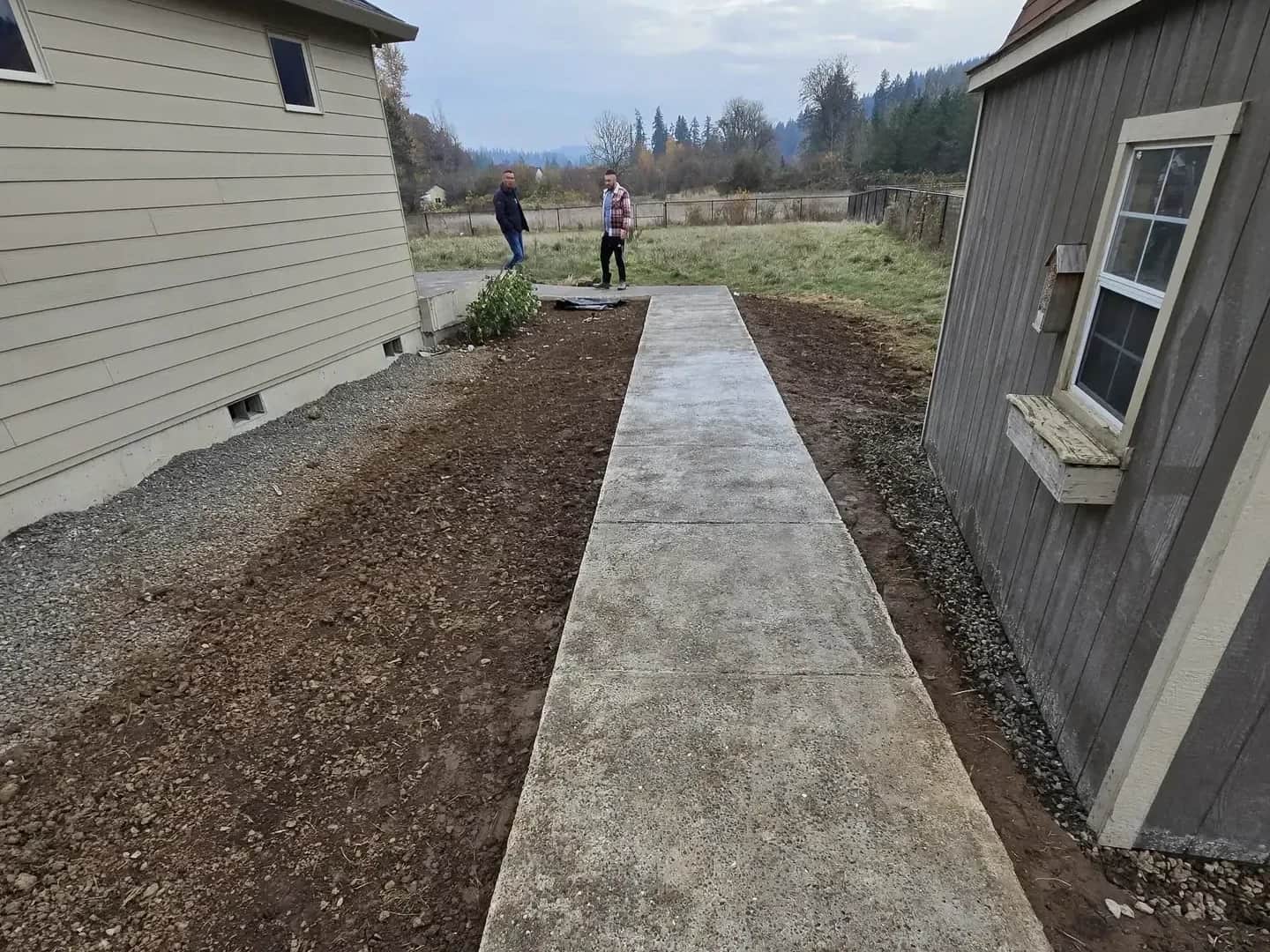
Trim punch, hardware install, appliance set, exterior grade restoration, landscape patch where service trench ran.
- Week 16Final inspection + handoff
ADU and studio final inspections, CertainTeed warranty registration, owner walk-through with project binder.
Process gallery
On the job
The result
The ADU passed final inspection on the first walk-through. The studio passed on the second — a single missed smoke detector wiring detail caught and corrected in the same afternoon. The 200-amp service upgrade is reading well within its envelope, and the heat pump split is delivering target temperatures with the kiln running. The CertainTeed warranty on the patched and re-tied roof was registered in the owners' names, and the Hardie siding patch has weathered through one full Oregon winter without any visible seam telegraph.
Eighteen months in, the owners report that the ADU has been continuously occupied — first as a short-term rental for visiting family, now month-to-month — and that the studio is in daily use. The artist of the family wrote us a note that we keep on the office wall, not because it was a five-star review, but because it ended with a line we are going to live with for a long time: the floor doesn't bounce anymore.
What is holding up well: every joint we engineered. What we would do differently next time: schedule the service upgrade earlier in the sequence so the temporary panel does not constrain finish trades. We pulled the lesson into our standard sequencing for any ADU that includes a service upgrade.
Credentials applied
Which licenses and certifications did the work
- CCB #204939 (Unlimited Level 1)Required to pull the combined residential + change-of-use permit.
- Architect on payrollDrew the permit set in-house; revisions turned in days, not weeks.
- LBPR (EPA Lead-Safe Renovator)1980s home — pre-1978 paint risk inside the existing envelope required Lead-Safe protocols.
- CertainTeed SELECT ShingleMaster 4-StarRoof patch and tie-in registered under the manufacturer's strongest warranty.
- Energy Trust of Oregon Preferred ContractorHeat pump and induction range qualified for utility incentives the owners applied for.
Want similar work?
We do this every week. Bring us the next one.
Free inspection. Honest scope. Warranty registered in your name.
Disclaimer. Composite case study based on representative Green O projects. Client details anonymized; no individual client is identified. Material specifications reflect Green O’s standard install practice and may vary by project scope, code cycle, and manufacturer availability. CCB #204939 (Oregon). CertainTeed warranty terms are set by the manufacturer and registered per qualifying install. Photography from the Green O project archive; not necessarily from this specific composite project.