
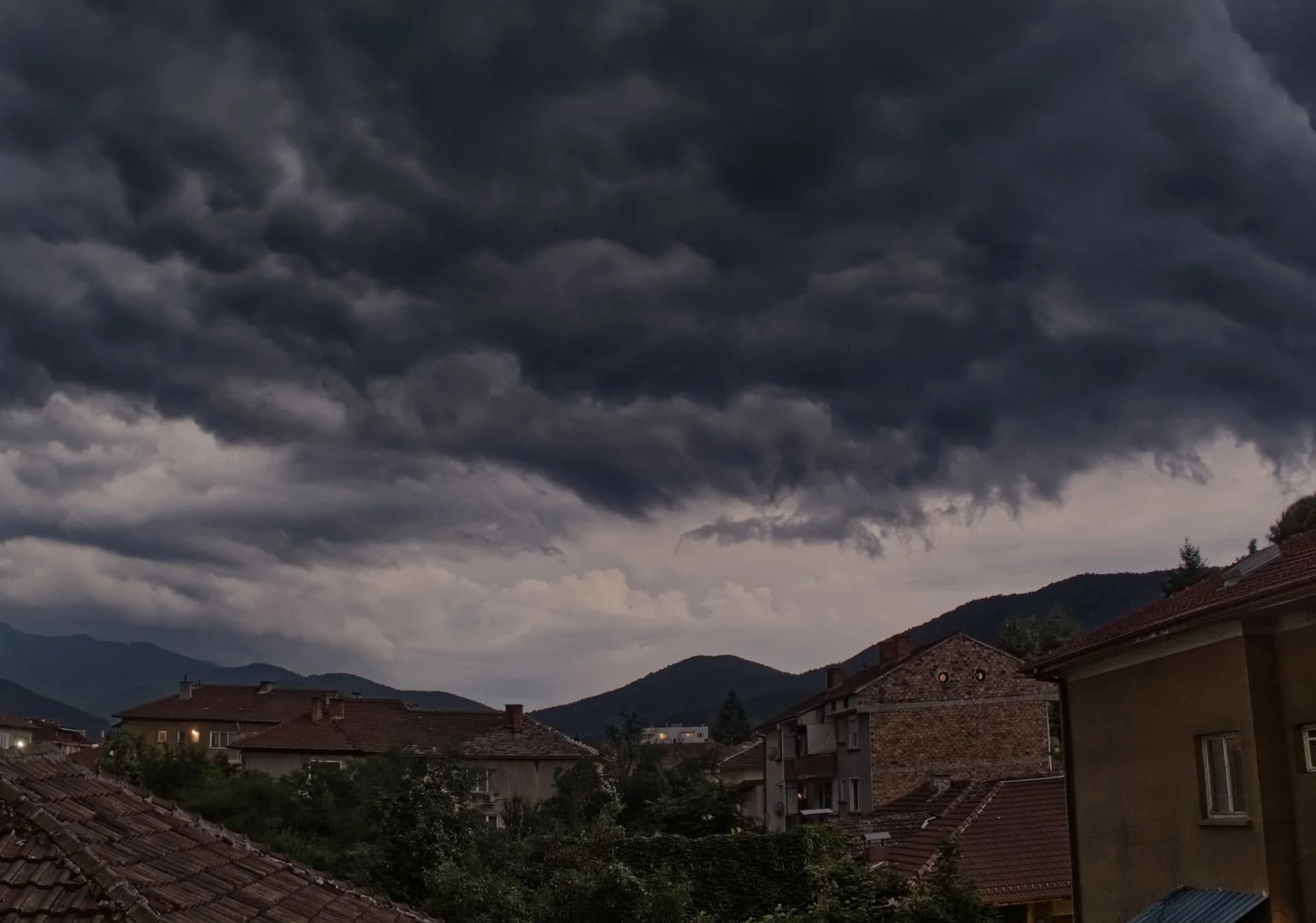
Beaverton's storm damage does not arrive on a schedule, but the pattern of the last five years is clear enough to plan around. The heat dome of late June 2021 pushed Portland-area temperatures to an all-time record 116 degrees and cooked shingles, attics, and seals across the metro. The January 2024 ice storm coated Washington County in ice, brought down trees and limbs by the thousands, and left large parts of the metro without power for days. Two opposite events, one lesson: the homes that came through cheapest were the ones that were prepared before the weather arrived. Here is the checklist we walk with our own clients every summer, in the order that matters.
Why prep before July, not October
Two reasons. First, the weather itself: extreme heat events hit in high summer, and by the time the first fall windstorm rolls through, every roofer and arborist in the metro is booked out weeks. The cheap, calm-weather appointment you can get in early July does not exist in November. Second, insurance: if a storm damages your home, the difference between a smooth claim and a fight is almost always documentation of the home's condition before the event. A one-hour photo walk in July can be worth a great deal in January — and it costs you nothing.
1. Get the roof looked at while the weather is dry
Summer is the season to find and fix the small stuff — because small stuff is what fails first in wind and ice. On a pre-season inspection we check:
- Lifted, cracked, or missing shingles. A shingle that survived the winter half-attached will not survive the first 50 mph gust of fall.
- Flashing at chimneys, sidewalls, and skylights. The number-one leak source we see after storms is flashing that was already marginal before the storm.
- Fastener back-out and nail pops. Heat cycles like the 2021 event work fasteners loose. Each raised nail head is a future puncture in the shingle above it.
- Moss load in valleys and on north slopes. Moss holds moisture against the shingle mat all winter and adds weight exactly where ice accumulates.
- Sealant condition at every penetration. Pipe boots and vent seals dry out and split in summer heat; they leak in the first sideways rain.
If your roof is more than 15 years old, this inspection also tells you whether you are one storm away from a replacement decision. Better to know in July than to learn from a ceiling stain in December. Our roofing team does this inspection free, and the written report is yours to keep whether or not you hire us.
2. Clean and test the water path: gutters, downspouts, drainage
The January 2024 event was an ice storm, but most of the interior damage we repaired afterward was water damage — melting ice with nowhere to go. Your home's entire water-handling system should be verified in dry weather:
- Clear gutters of debris and confirm they are pitched toward the downspouts, not sagging away from them.
- Flush downspouts with a hose and watch where the water actually goes. It should discharge well away from the foundation.
- Check that splash blocks and downspout extensions did not migrate over the winter.
- Walk the foundation line looking for soil that has settled into a slope toward the house.
- If you have a French drain or sump pump, test it now. A sump pump that has not run since spring is a sump pump you do not actually know works.
Sagging gutters and rotted fascia are also a structural anchor problem in ice: gutters loaded with ice pull away from weak fascia first. Our exterior crew handles gutter repair and replacement as part of the whole envelope, not as an orphan trade.
3. Deal with the trees before the trees deal with you
Tree and limb failure caused the majority of the visible destruction in January 2024 — crushed roofs, downed service lines, blocked streets. Summer is when a certified arborist can actually see structural defects and work safely. Priorities:
- Remove deadwood and any limb overhanging the roof, the driveway, or the electrical service drop.
- Have any tree that leans toward the house, or that dropped large limbs last winter, professionally assessed.
- Note where your electrical service enters the house and keep that path clear — a limb on the service mast is an electrician plus utility repair, not just a roofer.
4. Check the attic — your heat and ice defense at the same time
The 2021 heat dome taught the metro what under-ventilated attics do in extreme heat: cook the shingles from below and push living spaces into unsafe temperatures. The same ventilation and insulation system is also your winter defense — it keeps the roof deck cold and even, which is what prevents ice dams. One summer check covers both seasons:
- Confirm soffit intake vents are open and not buried under insulation.
- Verify ridge or box vents are clear and that bath fans exhaust outside, not into the attic.
- Look for daylight, water staining, or compressed insulation — all cheap to fix in July.
5. Build your insurance file now, while nothing is wrong
This is the highest-leverage hour on this list. Walk the house with your phone and photograph: every roof slope from the ground, all four elevations of the house, gutters, fences, outbuildings, and the interior ceilings of the top floor. Date-stamped photos of an undamaged home are the baseline every adjuster wishes existed. While you are at it, read your policy's wind and water sections and confirm what your deductible structure actually is — before you need to know. We wrote a full guide on the claim side of this in How to Spot Storm Damage Before Your Insurer Does.
6. The one-page household basics
| Task | Why it matters |
|---|---|
| Know your water main and gas shutoffs | A burst pipe or a limb through the roof is a five-minute problem or a five-hour problem depending on this. |
| Charge banks, flashlights, battery radio | The January 2024 outages lasted days in parts of Washington County, not hours. |
| Generator safety plan (outdoors only, away from openings) | Carbon monoxide poisonings spike after every extended metro outage. |
| Save your contractor's number now | After a storm, established local clients get tarped first. Door-knockers with out-of-state plates get your deposit and disappear. |
How long the checklist actually takes
Homeowners put this off because it sounds like a lost weekend. It is not. The photo walk is an hour. The gutter flush and downspout check is an afternoon if you are comfortable on a ladder — or a line item on a pro visit if you are not, and nobody should be on a wet roof or a tall ladder to save an hour. The roof and attic items are exactly what a professional inspection covers in one appointment, which is why we bundle all of it into the free Storm Ready Inspection: roof, flashing, ventilation, gutters, and exterior in a single photo-documented visit, with the written report yours to keep. The tree work is the only item that routinely needs a specialist and real lead time — arborists book out in summer too, so make that call first. Realistically, a Beaverton homeowner who starts this list in early July has every item closed before the first fall wind event, with time to schedule any repairs the inspection turns up at normal-season prices instead of post-storm emergency rates.
What to do if a storm beats you to it
If weather hits before the checklist is done: photograph everything before touching anything, tarp only what can be tarped safely from the ground, and call a local, CCB-licensed contractor — not the first truck in the driveway. We run storm restoration with a 24-hour callback and same-day emergency tarping when the envelope is breached, and we meet the adjuster on-site so the claim gets documented the way carriers need it. We have been the neighbor in Beaverton since 2008; we do not leave when the storm does.
Veteran-owned. CCB #204939. Mon through Sat, 8 AM to 7 PM. Closed Sundays.