
Structural · Foundation Repair
Historic Foundation Reset
A 1920s Portland bungalow brought back into level after a century of cripple-wall settlement, with new shear panels, a seismic retrofit, and a foundation that will outlast the people who paid for it.
- Location
- Portland (Northeast), OR
- Size
- 1,860 sq ft single-story bungalow on raised cripple-wall foundation
- Project type
- Structural — foundation repair, cripple-wall replacement, seismic retrofit
- Duration
- 9 weeks on site
- Completed
- 2025
- Credentialed scope
- Selective excavation, pier-and-beam stabilization, full cripple-wall replacement, new shear panels with anchor bolts and hold-downs, FORTIFIED foundation-to-frame connection, drainage tile, vapor barrier, perimeter waterproofing
The challenge
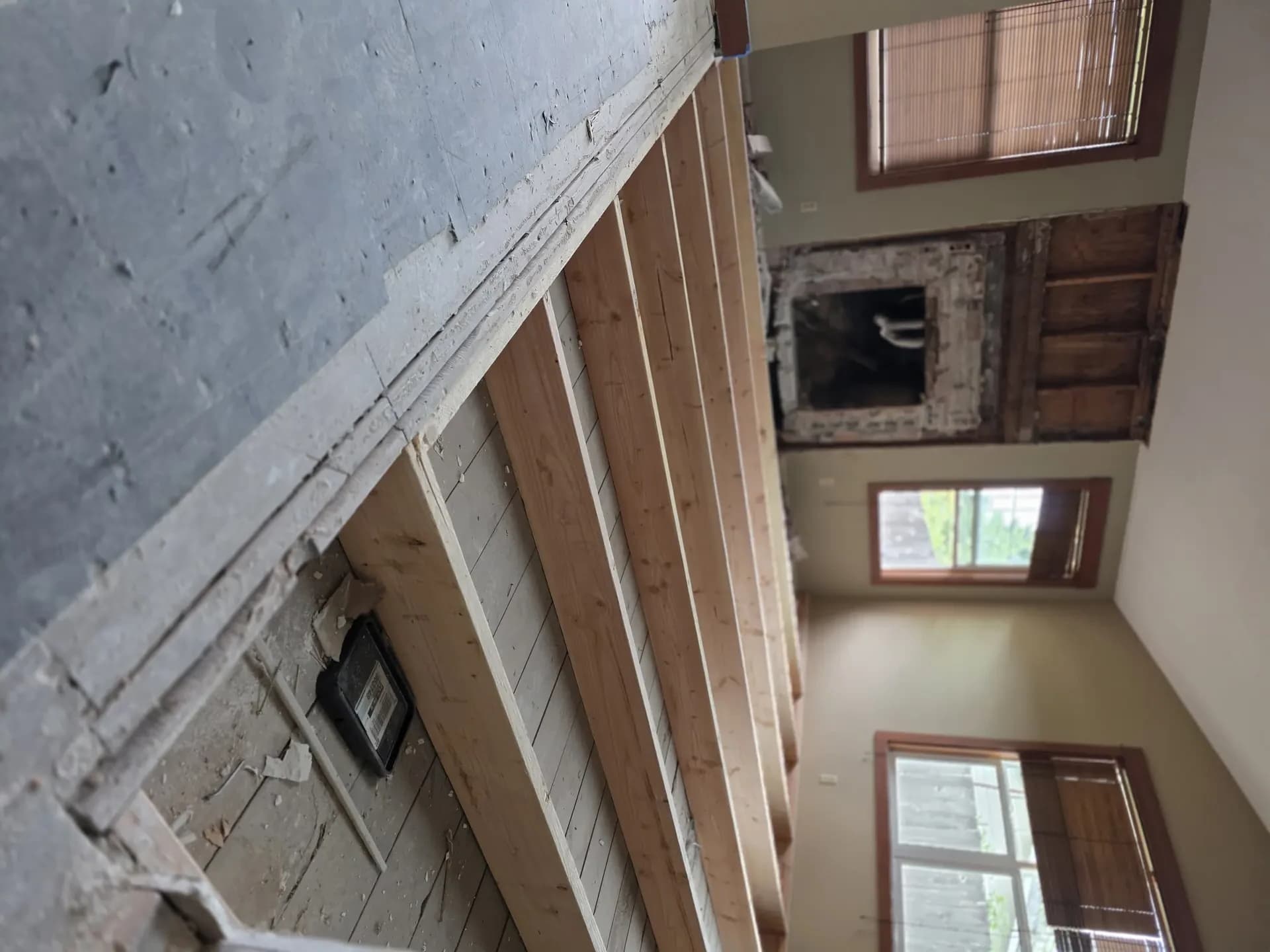
The family had owned the bungalow for nine years, long enough to memorize the doors that no longer latched, the windows that no longer slid, the line in the dining-room hardwood floor where a marble would roll if dropped at the back wall. They had been told by three different inspectors over the years that the foundation was 'doing what 1920s foundations do' and that 'as long as it's not actively cracking, leave it alone.' What finally got them to call us was a hairline crack that had widened from a pencil line to a thumbprint across one winter and the discovery, in their crawl space, of a section of mudsill that had effectively dissolved into compost.
The original foundation was a mix of rubble-and-mortar perimeter wall and shallow concrete spot footings under interior posts. The cripple walls — the short framed walls that sit between the foundation top and the house floor — were 2x4 stick framing with no shear panels, no anchor bolts, and no hold-downs. That was code in 1923. It is the single most common reason a Portland bungalow performs badly in a seismic event a century later.
The owners had two real options. Option A was a cosmetic patch — pour a few new pier pads, sister the worst joists, walk away with a brighter crawl space and the same vulnerability. Option B was a structural reset: replace the failed perimeter, add proper shear and hold-downs, level the house back into plane, and treat the foundation as something that should last another hundred years instead of just the next ten. They asked us which one we would actually do on our own house. We told them. They picked B.
“When a contractor tells you a 1920s foundation is doing what 1920s foundations do, get a second opinion from someone willing to crawl the space with you.”
Our approach
Our PE-stamped structural drawings called for a phased approach. We did not lift the whole house. We did not need to. The plan was to work in segments — three sections of perimeter at a time, never more — with engineered shoring carrying the load while the existing cripple wall and a length of perimeter foundation came out and a new one went in. That phasing kept the house in service for the family the entire time. They lived in it. They cooked in it. They slept in it. The lights stayed on.
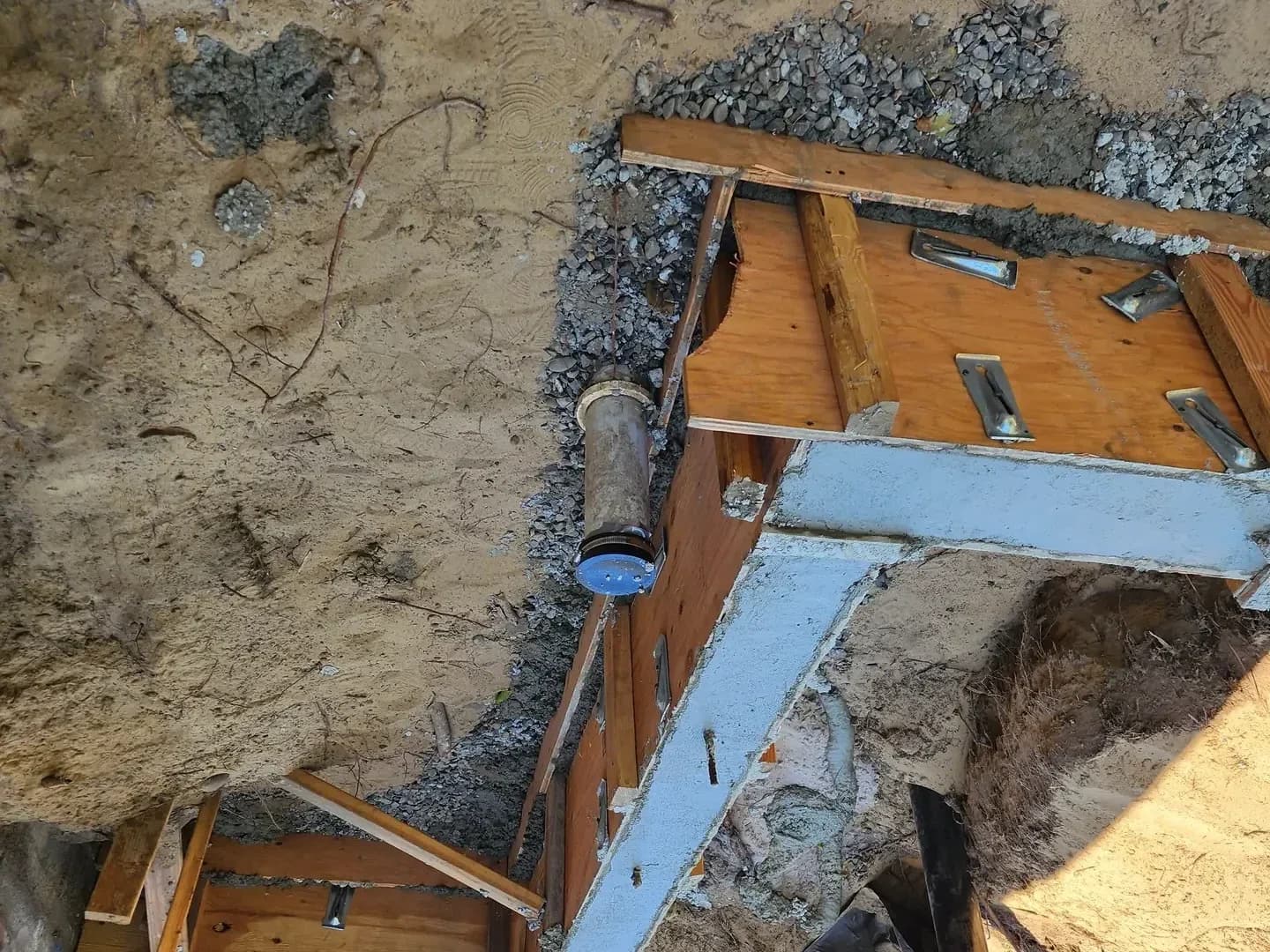
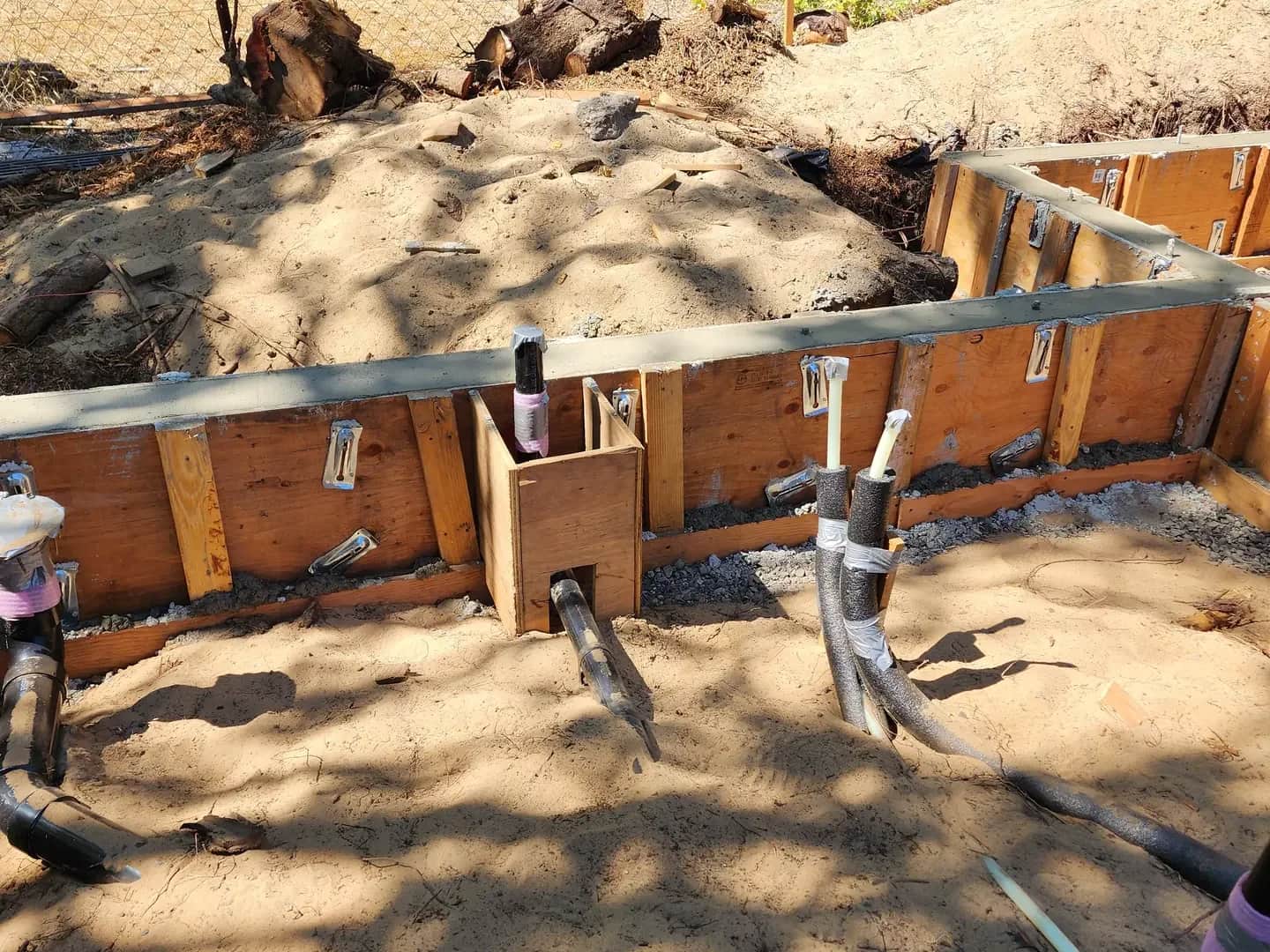
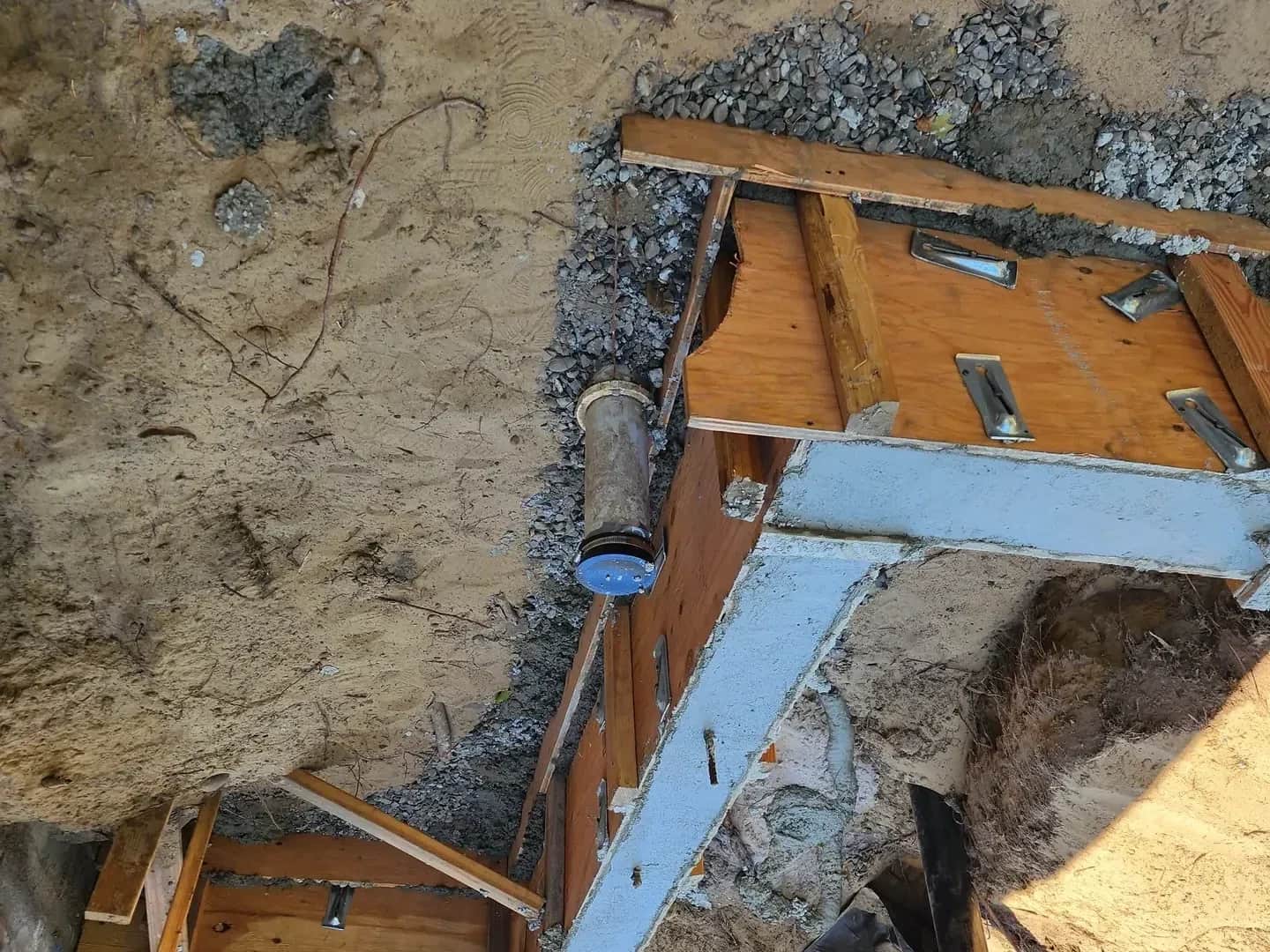
Segment by segment, we excavated to the existing footing, evaluated whether to underpin or rebuild, and in most cases poured a new 18-inch wide spread footing 12 inches deep with #4 rebar mat top and bottom. The new stem wall went up in form 8 inches wide by 24 inches tall, with vertical #4 rebar tied to the footing on 24-inch centers and J-bolts cast into the top course on 32-inch centers per the engineer's spec. The cripple walls came back as 2x6 framing (not 2x4 — we upsized for the shear panel nailing schedule), with 15/32 inch OSB shear panel applied per the engineer's nailing pattern and Simpson hold-downs at both ends of every braced wall line.
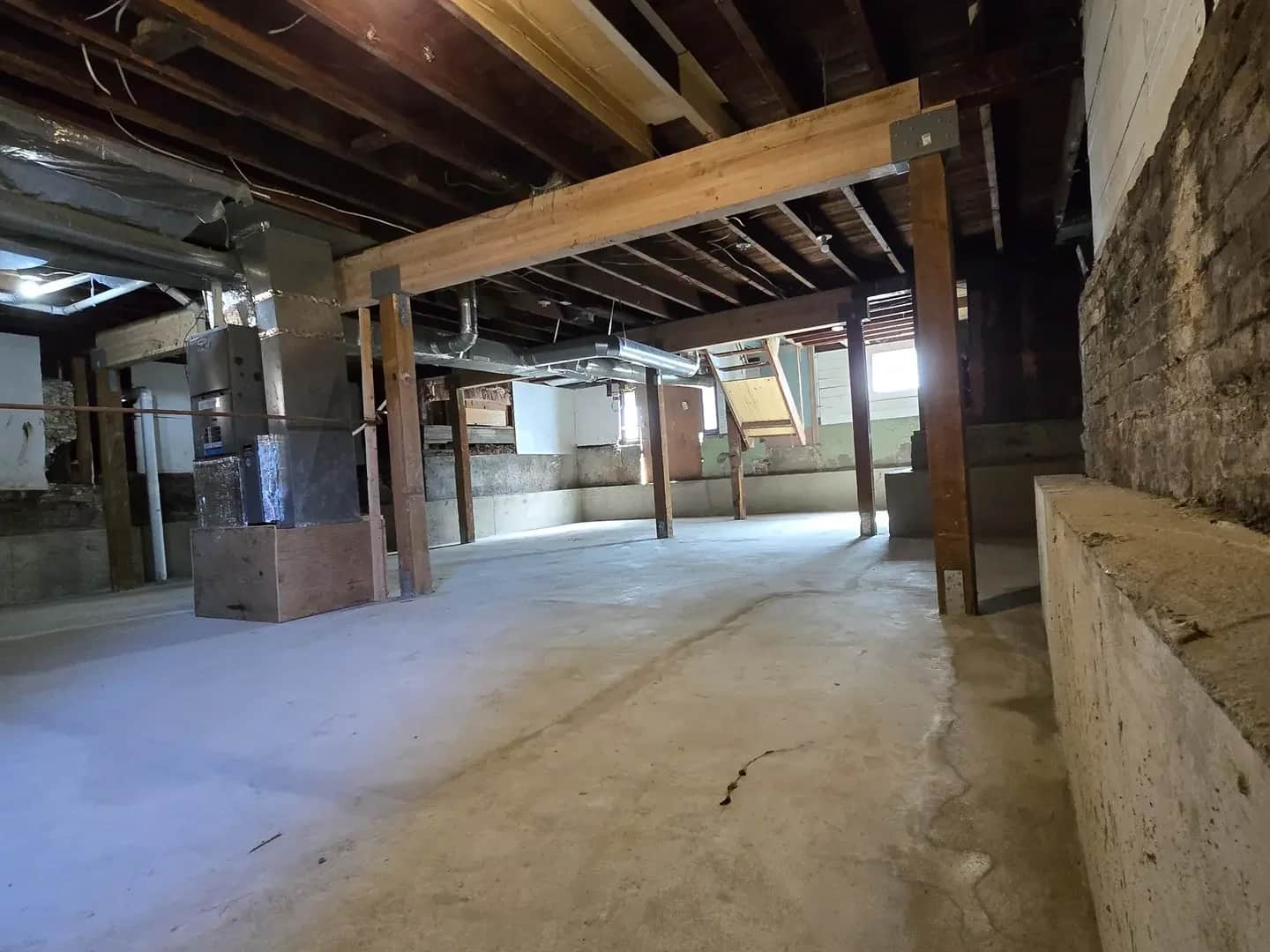
The mudsill is pressure-treated Hem-Fir, 2x6, with a sill seal foam gasket and a continuous bead of polyurethane sealant under the sealing surface. The anchor bolts engage the new J-bolts cast into the stem wall. Where the original posts under interior bearing lines had settled, we set new steel post bases on engineered pier pads, replaced the post with a properly sized 6x6, and reset the beam to the corrected elevation. The leveling happened slowly — quarter-turn by quarter-turn over several days, monitored at the floor with a laser level — so the plaster walls upstairs did not crack on us. They did not.
Drainage was the other half of the project. The bungalow sits on a lot that drains toward the house. We dug a perimeter footing drain in the segments where we were already excavated, installed 4-inch perforated pipe in clean drain rock wrapped in filter fabric, and tied it into a daylight outfall at the downhill corner. The exterior face of the new stem wall got a peel-and-stick waterproofing membrane below grade. The crawl space got a continuous 10-mil vapor barrier with seams taped and run up the new stem wall by 12 inches. The smell that had been in the crawl space for forty years is gone.
Materials & specs
What we put on this house
PE-stamped structural drawings
Sealed by partner Professional Engineer (Oregon-licensed); footing, stem wall, shear panel, and hold-down schedule called out per IBC + Oregon Residential Specialty Code
Foundation work below the load path is engineering, not carpentry. Stamped drawings are how you survive a future buyer's inspector.
Simpson Strong-Tie hold-downs
HDU-series with cast-in anchor bolts, set at both ends of every braced wall line per the shear schedule
Hold-downs are the difference between a house that shifts and a house that slides off the foundation in a seismic event.
15/32 inch OSB shear panel
Applied to cripple walls per engineer's nailing schedule, blocked at all panel edges
The fix for 1923 stick framing. Shear panels are what turn a wall from a flexible parallelogram into a braced diaphragm.
Pressure-treated mudsill
2x6 Hem-Fir, with sill seal gasket and continuous polyurethane sealant bead
The original mudsill failed to ground contact and rot. Pressure-treated lumber on a sealed gasket is the modern correct detail.
4-inch perimeter footing drain
Perforated pipe in clean drain rock wrapped in filter fabric, tied to daylight outfall at downhill corner
Half of every foundation failure in the Pacific Northwest is a drainage failure. Solving the water is solving the foundation.
Lime-based parge coat
Applied to visible portions of new stem wall to match historic perimeter texture and color, per historic compatibility review
Required to satisfy Portland's historic review for a pre-1940 home. Also: the right thing to do.
What was tricky
The first surprise was the back-yard segment. We had assumed, based on the visible portion of the perimeter, that the foundation was uniformly rubble-and-mortar. It was not. The back wall had been replaced sometime in the 1960s with an unreinforced concrete pour that had a horizontal cold joint at the midline and had been moving on that joint for sixty years. The 1923 sections of the foundation were in better condition than the 1963 patch. We had to redesign the back-wall segment in the field — engineer on a video call, revised drawings within forty-eight hours, no schedule loss because we had two other segments still in work.
The second was the chimney. The house has a brick chimney that runs from a footing in the crawl space through the roof. The chimney footing had settled differentially from the perimeter, which is why the brick had a stair-step crack running up the second floor wall. Repairing that crack cosmetically without addressing the footing would have been dishonest work. We poured a new spread footing under the chimney as part of the same engineered scope and slid a steel saddle under the existing footing to transfer the load. The interior crack closed up on its own over the next two weeks as the structure settled into its new geometry.
The third was permitting. Foundation work on a pre-1940 home in Portland triggers a historic compatibility review even when the work is entirely below grade. The reviewer wanted documentation that the exterior elevation would be unchanged at completion — which it was — and confirmation that any visible portion of the new stem wall would be parged to match the texture and color of the historic perimeter. We added a lime-based parge coat to the visible foundation segments at the front of the house. The reviewer signed off. The neighbors did not notice we had been there.
Schedule
Week by week
- Week 1PE design + permit
Site walk with structural engineer, drawings stamped, historic compatibility review submitted to City of Portland.
- Week 2Permit approval + mobilization
Permit issued, historic review cleared, materials and shoring delivered, work zones established without displacing family.
- Week 3Segment 1 — west perimeter
Engineered shoring set, excavation to existing footing, demo of failed cripple wall and rubble perimeter, new footing pour.
- Week 4Segment 1 stem wall + framing
Stem wall pour with J-bolts, mudsill set, 2x6 cripple wall with shear panel and hold-downs, level restored along segment.
- Week 5Segment 2 — south + east perimeter
Repeat sequence on south and east; chimney footing discovered settled, change order issued and approved same day.
- Week 6Chimney footing repair
New chimney spread footing poured, steel saddle slid under existing footing, interior plaster crack monitored as load transferred.
- Week 7Segment 3 — back wall (1963 patch)
Field-redesigned back wall segment after discovering unreinforced concrete patch; new footing, stem, cripple wall, shear panels installed.
- Week 8Perimeter drainage + waterproofing
Footing drain trench, perforated pipe in drain rock, peel-and-stick waterproofing on exterior stem face, daylight outfall tie-in.
- Week 9Vapor barrier, parge, final inspection
Continuous 10-mil vapor barrier in crawl space, lime-based parge on visible stem wall, structural and historic-review final inspections passed.
Process gallery
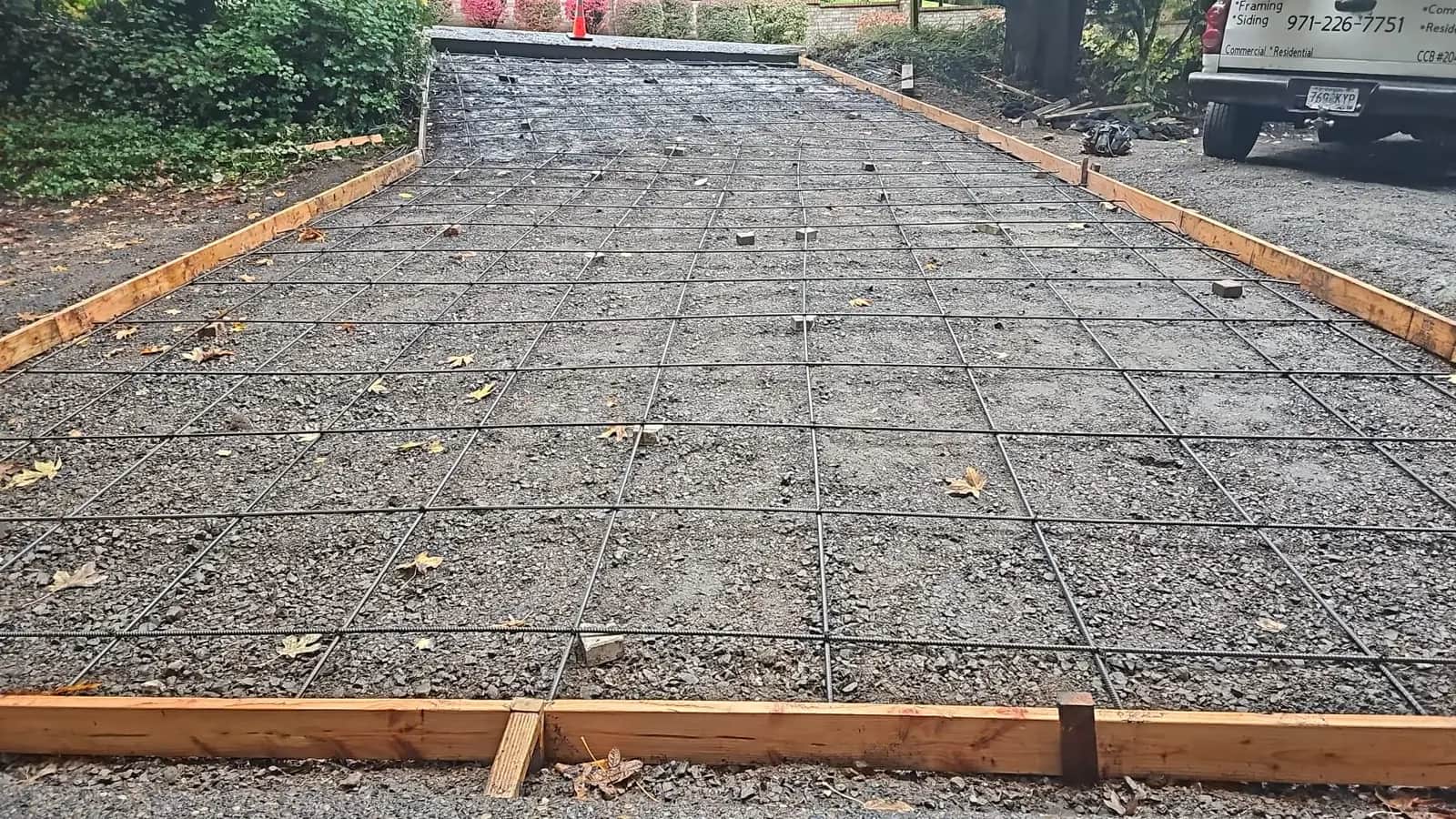
On the job
The result
The house is level within the tolerance the engineer specified — about an eighth of an inch across the entire 1,860 sq ft footprint. The dining-room door latches. The back-bedroom window slides. The hairline crack in the plaster is closed and has not reopened across an Oregon winter that included two weeks of saturated ground. The marble does not roll anymore. The owners tested it with the marble. They sent us a video.
Structurally, the house now has a documented seismic retrofit with engineered shear panels, anchor bolts, and hold-downs at every braced wall line. The drawings are stamped by our PE partner and on file with the city. The retrofit qualifies the home for the FORTIFIED foundation-to-frame designation under the Insurance Institute for Business and Home Safety program, which the owners have used to negotiate a small but real reduction on their homeowner's policy.
What is holding up well: every segment of the new foundation, every shear panel, the perimeter drain. What we learned: when a contractor tells you a 1920s foundation 'is doing what 1920s foundations do,' get a second opinion from someone willing to crawl the space with you. What we would not change: the decision to phase the work so the family could keep living in the house. They were home for every inspection, every pour, every post reset. The house was theirs the entire time. That mattered.
Credentials applied
Which licenses and certifications did the work
- CCB #204939 (Unlimited Level 1)Required to pull structural permit for foundation and seismic work on a habitable residence.
- PE structural partner on retainerSealed structural drawings for footing, shear, and hold-down schedule — not borrowed from a manufacturer detail.
- Architect on payrollCoordinated historic compatibility review submission with City of Portland's historic review staff.
- CESCL (Certified Erosion + Sediment Control Lead)Ground-disturbing work in a residential neighborhood requires documented erosion control through every segment.
- LBPR (EPA Lead-Safe Renovator)Pre-1940 home — any interior work disturbing painted surfaces during the structural project followed Lead-Safe protocols.
- OSHA 30Excavation + shoring operations require documented competent-person oversight on site every day of the dig.
Want similar work?
We do this every week. Bring us the next one.
Free inspection. Honest scope. Warranty registered in your name.
Disclaimer. Composite case study based on representative Green O projects. Client details anonymized; no individual client is identified. Material specifications reflect Green O’s standard install practice and may vary by project scope, code cycle, and manufacturer availability. CCB #204939 (Oregon). CertainTeed warranty terms are set by the manufacturer and registered per qualifying install. Photography from the Green O project archive; not necessarily from this specific composite project.